
What differences between cone crushers and jaw crushers?
In stone crushing production lines, jaw crushers and cone crushers serve as the two core primary and secondary crushing equipment. They differ greatly in structure, feed adaptability, output particle size and operating costs, and are applied to completely different processing stages. Many new buyers often mix them up during model selection. A practical production-based comparison is outlined below.
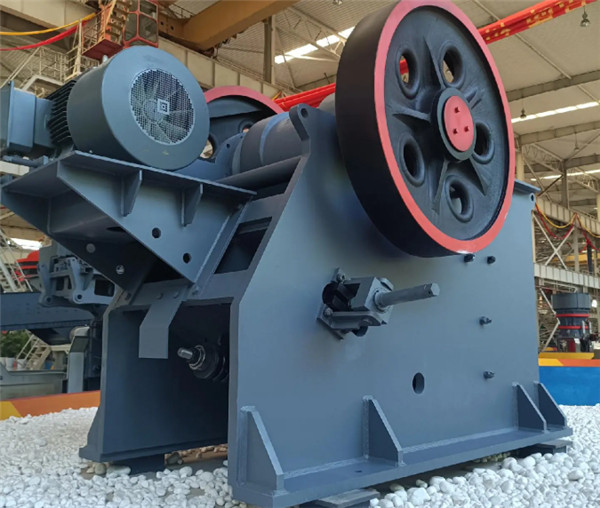
1.Jaw Crusher
Jaw crushers are designed for primary crushing, the first stage of material breaking. They operate by periodic squeezing and attrition of rocks through a movable jaw plate. Two wear-resistant jaw plates form a crushing chamber, where large raw stones are fed directly. Mechanical force fractures and splits massive rock blocks.
These machines feature large feed openings; standard models have feed widths ranging from several hundred to over one thousand millimeters. Unprocessed mine rock, large granite lumps and limestone can be fed in without pre-screening. Boasting a simple, robust structure, their only wearable parts are jaw plates and liners, which are easy to replace. Regular site maintenance crews can finish disassembly, replacement and reassembly within half a day. Their upfront purchase cost is relatively low, so small and medium aggregate plants nearly always choose jaw crushers as primary breakers.
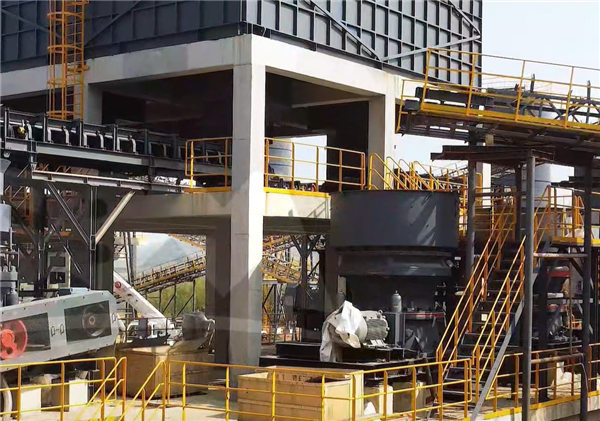
2.Cone Crusher
Cone crushers function as secondary and tertiary crushing units, usually installed downstream of jaw crushers for secondary breaking. An eccentric main shaft drives the mantle to perform gyratory compression. Rocks undergo combined squeezing, grinding and bending force between the mantle and concave liner for steady, uniform breaking action.
Their maximum feed size is much smaller than that of jaw crushers, only accepting medium-sized chunks processed by primary crushing. Their key strength lies in superior product shape: rounded stone edges with low flaky content, meeting aggregate specifications for high-grade concrete and highway subgrade construction. Cone crushers deliver a larger reduction ratio; adjusting the discharge opening easily switches between secondary and fine crushing modes, with minimum output sizes down to a few millimeters to produce qualified finished aggregate in one stage.
Cone crushers have intricate precision assemblies with numerous components including bearings, eccentric sleeves and hydraulic adjustment systems, leading to far more complex maintenance than jaw crushers. Worn main shafts and bushings require lengthy disassembly and fitting work, and spare parts come at a premium, driving up overall machine investment. Hydraulic cone models are fitted with cavity clearing protection: when uncrushable iron debris enters the crushing chamber, the discharge opening automatically lifts to prevent chamber blockage and motor burnout, offering better safety than basic unprotected jaw crushers.